Staying at an off-grid eco hut near Aviemore, Scotland
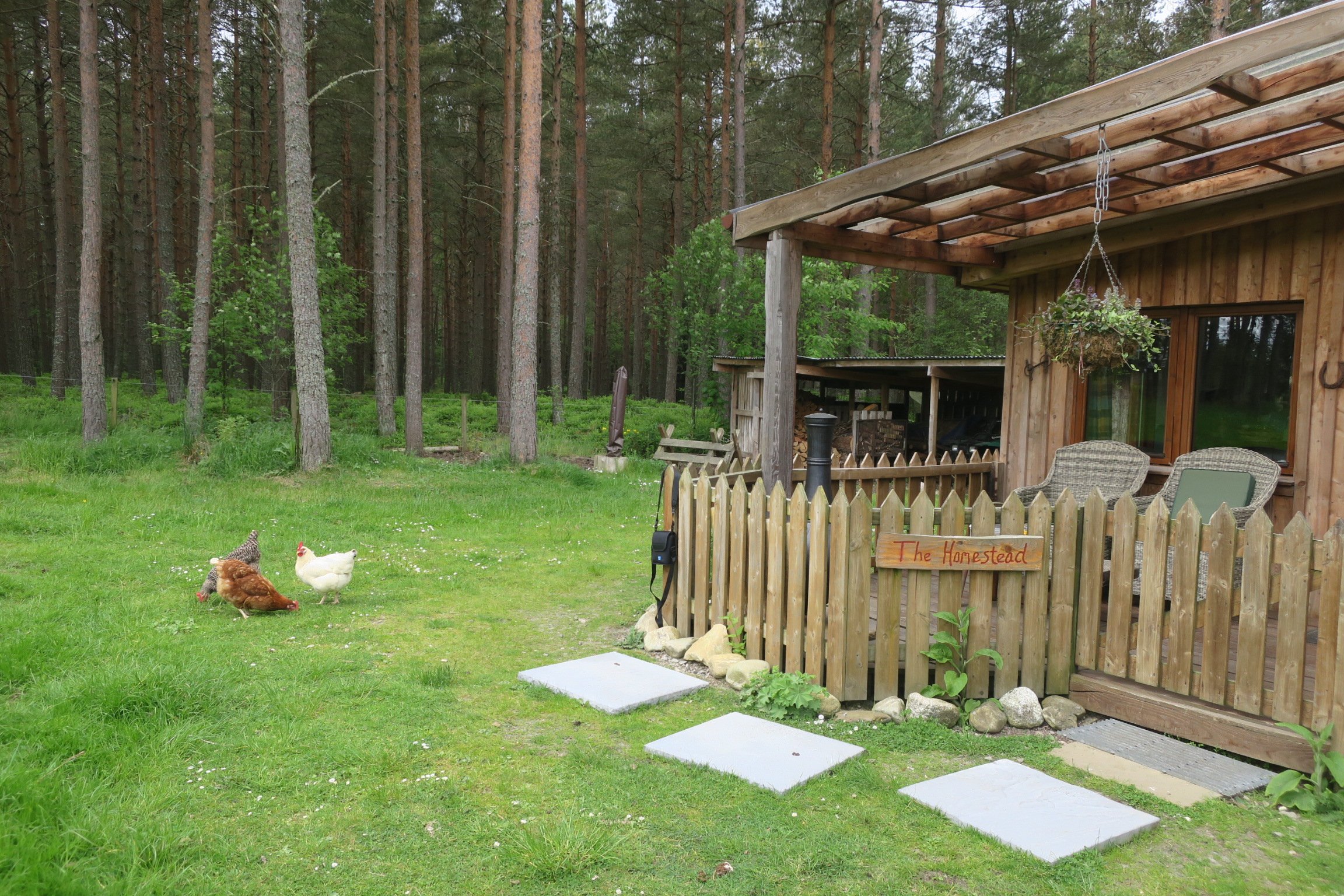
Morning sunlight warms the deck of our eco-hut as I cradle a steaming cup of tea. All I can hear are birds singing, insects buzzing, and a gentle breeze rustling through the nearby trees. It reminds me of New Zealand, yet we’re only about 20 minutes from Aviemore in the Scottish Highlands.
We first discovered The Lazy Duck on social media a few years ago. Dreaming of lazy evenings in the forest, we soaked up pictures of cabins through the seasons, wishing we could be there. But every time a holiday rolled around, the cabins were already fully booked.
Then, one June, a four-night stay unexpectedly became available. We snapped it up and decided to treat ourselves to a sauna and massage while we were there. Pure indulgence in an eco setting.
Eco-friendly living off-grid
I wasn’t entirely sure what to expect from a stay in an eco-hut but, having spent plenty of holidays in a tent, this already felt like a step up in luxury.
The first thing that struck me when I walked in was how cosy and clean it felt. The box bed was tucked away beneath a stargazing window, begging us to watch the night sky. It was a great idea, but leaving it uncovered on our first night gave us a harsh lesson in how early dawn breaks so far north in June - 3am!
The hut had electricity, which meant lights, a fridge, and sockets for charging devices. It was a little bit of modern convenience tucked into the wilderness. There was also a simple LPG gas stove for cooking and boiling water.
Insulation was so good that we didn’t need any extra heat while we were there. I was almost disappointed not to use the small wood burner, set up and ready for the cooler months.
So far, nothing felt much different from a regular cabin stay. But that’s where things changed. Drinking water was provided in containers from the main house, while water for the kitchen sink and shower came from a couple of old whiskey barrels collecting rainwater.
“Interrupting normal patterns calms the nervous system”
Living without mains water means the simplest daily tasks take a little extra effort. And, according to Duckeeper Sarah, that’s a good thing.
“Interrupting normal patterns calms the nervous system. Waiting for the kettle to fill slowly from the water butt. Boiling it for the shower. It forces you to slow down in a nice way.”
Washing up, washing my face, and even showering all meant boiling a kettle. And washing my hair was a two-person job with a jug and bowl. There was a rainwater shower to the side of the hut but I wasn’t about to waste that luxury on shampoo and conditioner!
I loved the simplicity of it all.
Working for my warm water made me very aware of how much I take for granted - and how much water we use every day.

The rainwater shower
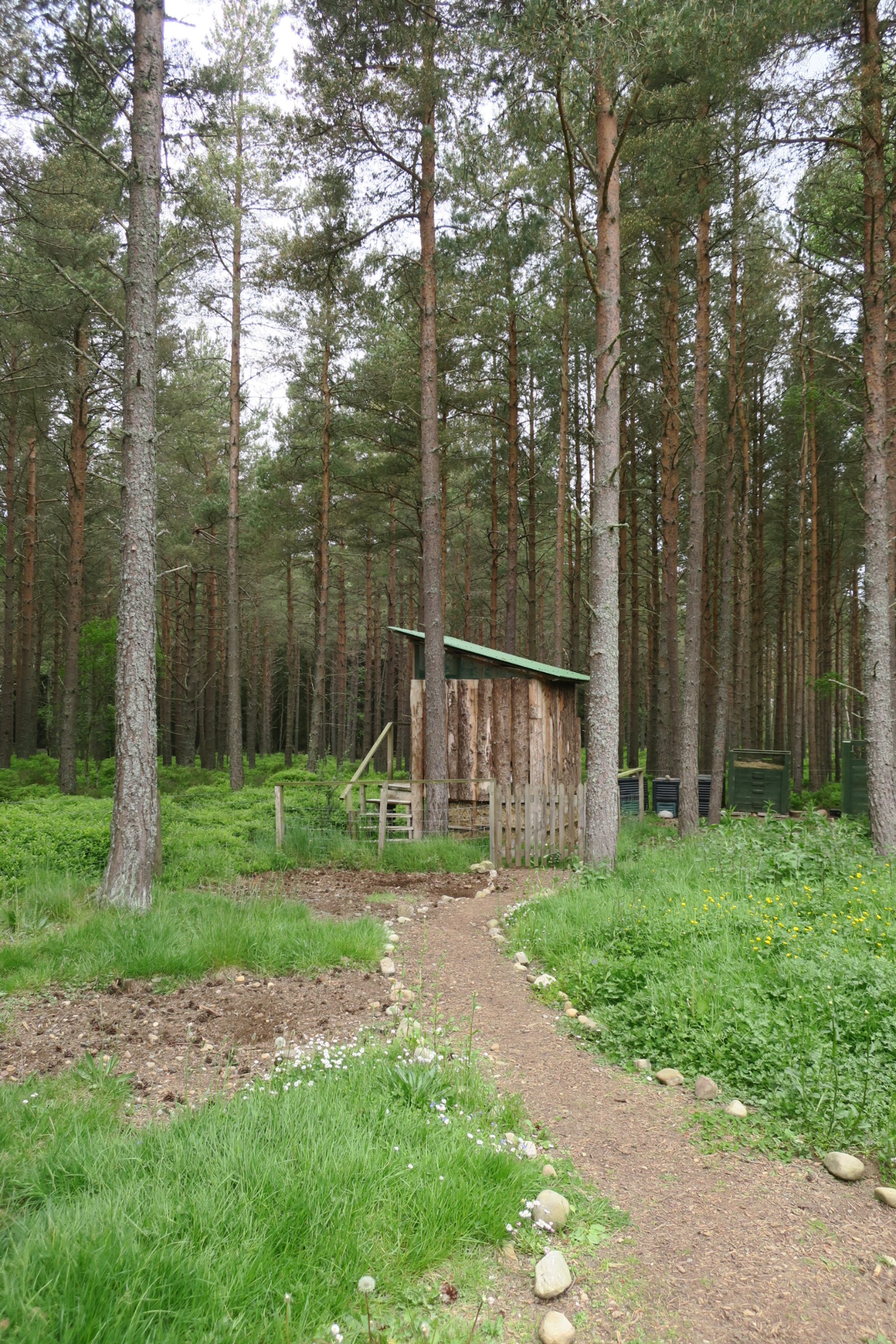
Our woodland loo
But what about the composting loo?
I’m going to confess - the one thing that nearly put me off booking The Lazy Duck was the thought of a loo without flushing water.
An off-grid toilet can sometimes mean disappearing into the woods, armed with a shovel and loo roll. Honestly, that almost sounded better! But, I’d never used a composting loo so, before I poo-poo’d the idea, I decided it was something that needed ticking off the list!
My imagination had conjured up flies, festival Portaloos, and noxious odours. The reality was very different. Housed in a separate building, it was clean, smelt only of sawdust, and even had a little jug of flowers to welcome the user. For an extra special bonus, a fold-down window gave a view straight into the forest.
Adventure is right on the doorstep
The Lazy Duck is set in the heart of the forest. It’s a wonderful location and often, all I wanted to do was stop, sit, and read. But if you’re after a bit of adventure, the area is jam-packed with outdoor activities.
Nethy Bridge is the local village, just a short walk from the hut. You can even grab a map of local paths from the Cairngorms National Park website.
The area is great for gravel rides too. We’d planned one from the book Gravel Rides in Scotland but (long story), Mr ODG had to venture out solo. However, he came back full of praise and I apparently missed an incredible ride.
We spent time wandering in the forest around Boat of Garten, ate fabulous pizza from Cheese and Tomatin Aviemore on the shores of Loch Garten, and walked our first Corbett, Meall a’ Bhuachaille.
And that’s really just scratching the surface of what you can do in the area. You’ll find plenty more on The Lazy Duck’s website.
Why holidaying off-grid is so relaxing
Our stay at The Lazy Duck was one of the most restful holidays we’ve ever had. You may wonder why, given the extra effort involved in daily life off-grid.
Modern life and technology means we’re always ‘on’. Emails, text alerts, and social media all demand a quick response. And that’s on top of busy jobs, busy home lives, and squeezing as much out of life as possible.
Our brains respond by secreting stress hormones, part of the fight, flight, freeze response. Without calming our bodies, this continues indefinitely affecting sleep, digestion, and body repair. Physically it creates tension in our neck and shoulders, and affects our breathing.
We’re living in a state of being where everything feels urgent.
Interrupting that day to day rush allows everything to settle and rest. It helps our bodies and minds to slow down and calm.
I’ve always said that a couple of nights in a tent resets me. I guess this was exactly the same, only with the luxury of a warm cabin and comfy bed.
Note that we paid for our own stay at The Lazy Duck.
About The Lazy Duck
The Lazy Duck is a retreat in Abernethy Forest, with off-grid huts, bunkhouse, and a cottage where guests can slow down and reconnect with nature. The team focuses on treading lightly with composting loos, rainwater systems, and sustainable practices throughout the site.
Find out more: www.lazyduck.co.uk